Skip to content

Barriers Within Bars

Cover

New research on Indigenous people with disability in the Australian criminal justice system

NDRP Research Report

Content note

This research discusses incarceration, disability, racism, discrimination, violence, trauma and other experiences that some people may find distressing. The report includes information about support services.

Barriers Within Bars brings together research, lived experience and community knowledge to examine the systemic, social and cultural barriers experienced by Aboriginal and Torres Strait Islander people with disability before, during and after incarceration.

Led by Indigenous researchers with disability, the project highlights significant and preventable injustice and the need for change across justice, disability, health, housing and community systems.

Cover

Barriers Within Bars

NDRP Research Report

Download the report (PDF)
Cover LR

Barriers Within Bars

A knowledge synthesis on Indigenous Prisoners living with Disability

Download PDF Literature Review and Evidence Mapping
Accessible versions

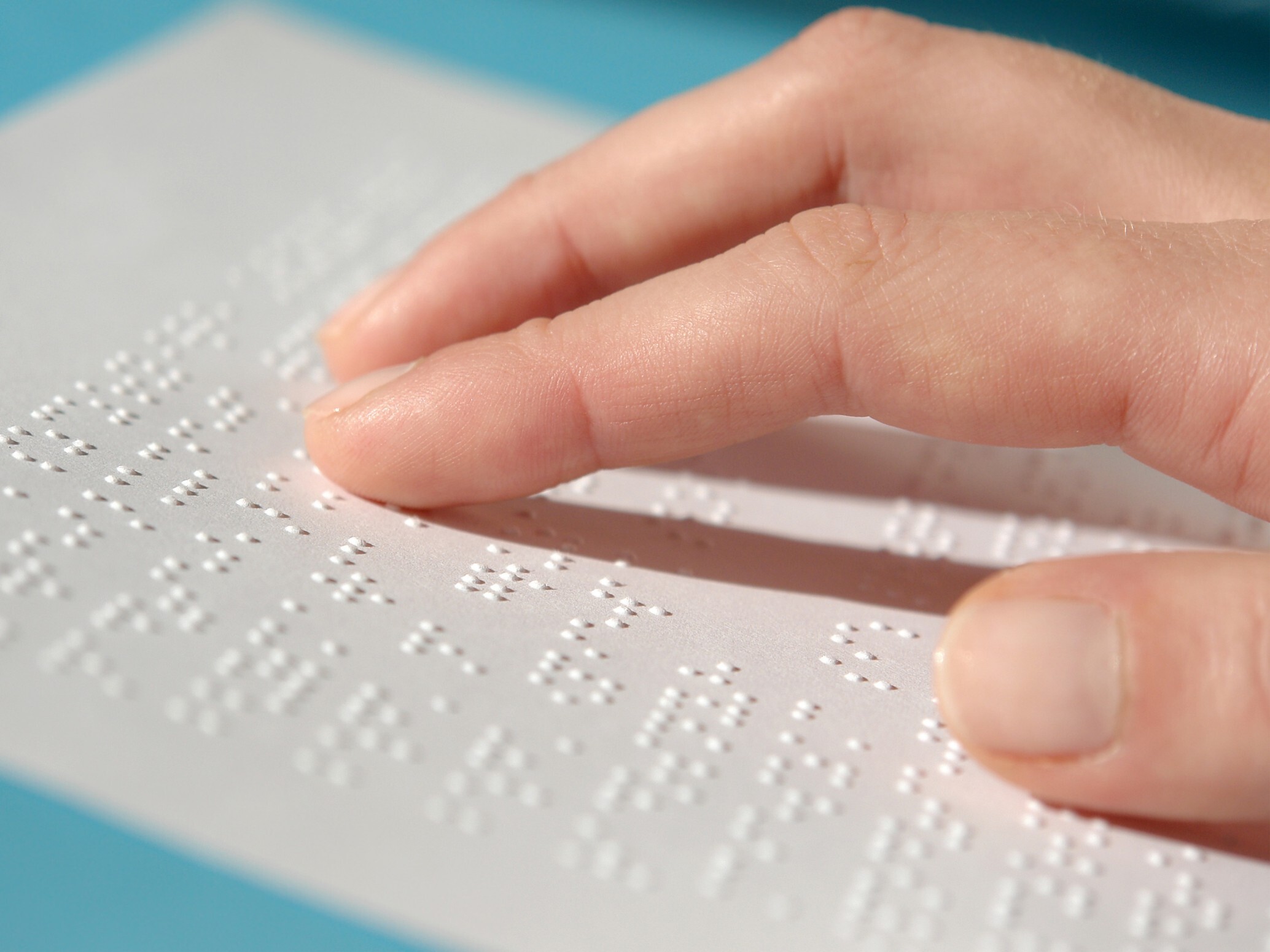
Braille versions are available

Braille copies of the Barriers Within Bars report and literature review have been produced and are available for loan through the research team. To borrow a copy, please contact NDRP and we will put you in touch with the team.

Email info@ndrp.org.au

About the research

Barriers Within Bars is a national, Indigenous disability-led project developed by the BlakAbility team at the University of Melbourne, in partnership with AccessAble Braille Enterprises, a First Nations disability-led organisation.

The project was funded by the National Disability Research Partnership to begin a wider national conversation about the experiences of Aboriginal and Torres Strait Islander people with disability in Australian prisons and to bring together what is already known about this largely overlooked intersection of disability and incarceration.

The research was proposed, governed and led by Indigenous people with disability. Co-design brought together Indigenous people with disability, people who had experienced prison, family members, community workers, legal advocates and frontline staff. Their knowledge helped shape the research questions, identify gaps in the evidence and test the findings against lived experience.

About the artwork

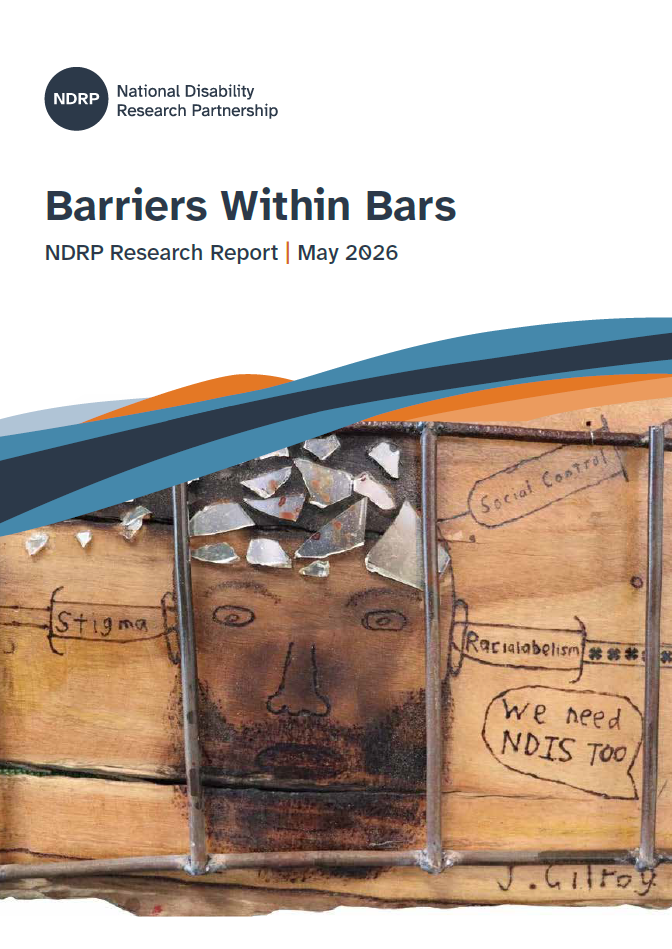
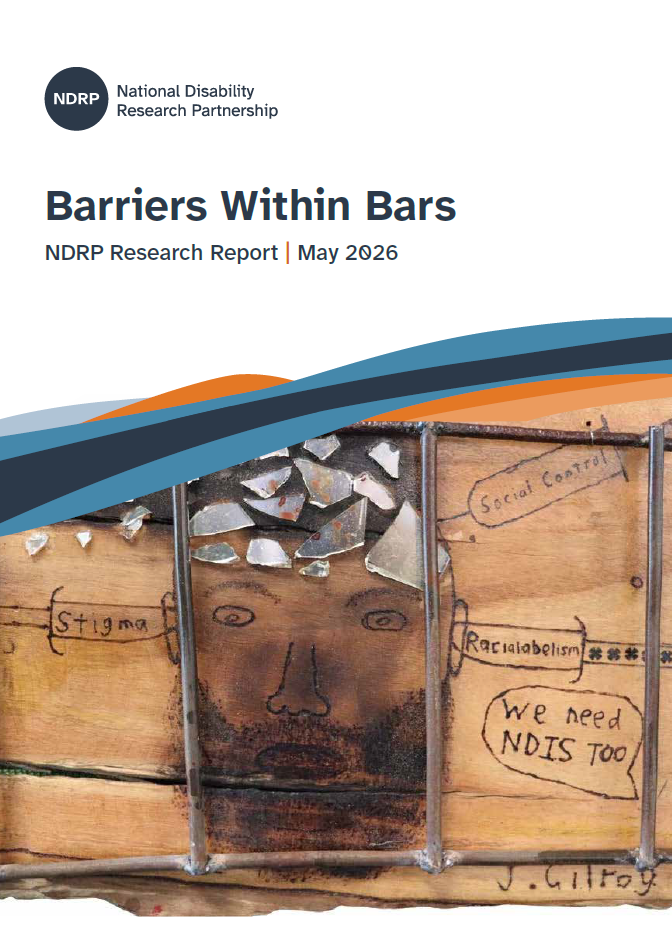
Artwork: Professor John Gilroy

Incarceration of Disability and Aboriginality, Professor John Gilroy. The artwork draws on Professor Gilroy’s wider research with Aboriginal people and people with disability and reflects systemic barriers at the intersection of disability, Aboriginality and incarceration. The artwork was not produced as part of the Barriers Within Bars research project. Reproduced with permission.

Where to next?

This was a seed-funded project. It identifies a need for larger-scale, Indigenous-led and disability-led research grounded in lived experience.

Priorities include a national study involving Indigenous people with disability in custody and after release; research on pathways into the justice system; the experiences of Indigenous women with disability; communication access; evaluation of culturally grounded community-led approaches; and identifying practical changes that can improve safety and wellbeing now.

Indigenous people with disability deserve safety, dignity, cultural connection and to be supported rather than punished for their disability.